
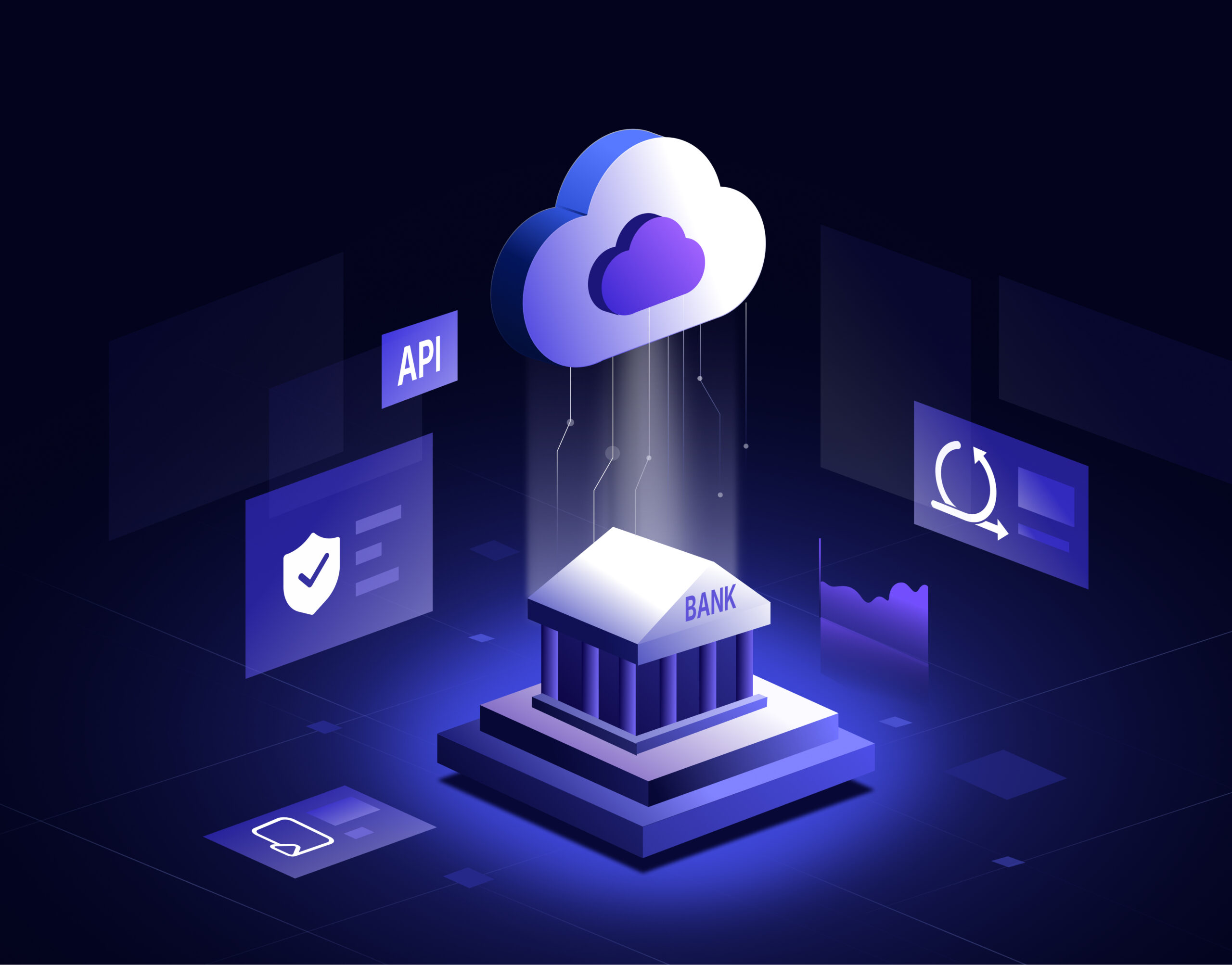
Decoding Legacy Discontinuation: Preserving the Best While Embracing Change
As the financial industry continues to evolve at an unprecedented pace, the shift from legacy systems to modern, agile infrastructures is no longer optional—it's essential for survival. While the transition to cutting-edge technologies offers exciting opportunities, it also requires a careful balance between retaining valuable aspects of the old system and embracing new solutions that can drive future success.
Building Agile Architectures
Financial groups are now prioritizing agile structures to support core modernization. By launching dedicated IT divisions, they can better manage the transition to cloud-based platforms. This approach reduces operational burdens and costs while allowing the organization to focus on digitizing user journeys and maintaining steady growth efficiently.
Ensuring System Resilience
Sometimes, decommissioning legacy platforms is necessary to preserve security. When older systems suffer structural damage or become obsolete, migrating to new solutions ensures service continuity. This strategy allows institutions to maintain critical functions and compliance standards, effectively balancing the discontinuation of old tools with the adoption of resilient technologies.
Cloud Migration Adventures: Banks Turn to the Skies for Efficiency Gains
Cloud adoption allows financial institutions to break free from the limitations of outdated on-premises systems. By embracing this change, banks can transform how they process transactions, manage data, and scale their operations. The cloud offers the flexibility to rapidly deploy new services, respond to market demands with agility, and scale operations seamlessly, which is crucial as customers increasingly expect faster, more personalized experiences.
Reducing Energy and Boosting Capacity
One of the most compelling reasons for financial institutions to move to the cloud is the significant energy efficiency and cost savings it offers. Legacy systems that rely on energy-intensive mainframes and on-premises data centers require substantial power to maintain, contributing to high operational costs and a large carbon footprint. Cloud infrastructure, by contrast, enables banks to store and process data in a more energy-efficient manner, significantly lowering their energy consumption.
Shifting core banking systems to the cloud doesn’t just streamline operations; it also allows banks to scale up capacity without the need for massive infrastructure investments. Cloud services are built to handle vast amounts of data and transactions without burdening the institution with the high costs and complexity of maintaining traditional on-site hardware. This means that financial institutions can expand their capabilities to process larger volumes of transactions with more agility, without compromising performance or speed.
Enhancing Agility and User Experience
Adopting cloud infrastructure enables faster model updates and lowers the cost per transaction, directly benefiting the end user. By integrating data into cohesive platforms, banks can leverage AI to offer personalized services. This evolution supports scalable growth and ensures that digital interactions remain seamless, innovative, and highly responsive.
The People Factor: Building Future-Ready Teams for Banking's Evolution
When we discuss upgrading core banking systems, it is easy to focus solely on the technical complexities of cloud platforms and legacy code. However, the most vital component of any successful digital transformation is the human element. Without a skilled and adaptable workforce, even the most advanced technology cannot deliver its full potential. Let's look at how institutions are evolving their teams.
Embracing Diversity to Bridge Talent Gaps
The financial sector currently faces a significant shift as experienced professionals retire, creating a noticeable skills vacuum within the industry. To counter this, forward-thinking institutions are prioritizing diverse hiring practices. By tapping into a broader talent pool, banks not only fill critical roles but also align with modern social expectations, ensuring long-term operational stability.
Reskilling for the Digital Era
Integrating advanced technologies like artificial intelligence requires a workforce that is adaptable to rapid change. Rather than simply replacing human roles, the focus is shifting toward reskilling employees to manage complex digital infrastructures. This strategy empowers teams to support core system migrations effectively, turning potential technological disruptions into opportunities for professional growth and sustained innovation.
Q&A
-
What is Legacy System Decommissioning and why is it important?
Legacy System Decommissioning involves the process of retiring outdated or obsolete systems in an organization. It is important because maintaining old systems can be costly and inefficient. Decommissioning these systems can lead to reduced costs, improved security, and the ability to leverage new technologies that enhance overall business operations.
-
How do Data Mapping Strategies facilitate a smooth transition between systems?
Data Mapping Strategies are crucial for ensuring data consistency and integrity during system transitions. They involve defining how data fields from the old system correspond to those in the new system. By accurately mapping data, organizations can prevent data loss, ensure accurate data migration, and maintain data quality throughout the transition process.
-
What are the benefits of a Phased System Transition approach in Core Banking Replatforming?
A Phased System Transition allows for gradual changes rather than a full-scale system overhaul. This approach minimizes risk by allowing testing and adjustments in stages, reduces downtime, and provides time for staff training and adaptation. In Core Banking Replatforming, this can lead to a smoother transition with less disruption to banking operations and customer service.
-
Why is Operational Continuity Planning essential during system transitions?
Operational Continuity Planning ensures that business operations can continue without interruption during system transitions. It involves identifying potential risks, developing contingency plans, and ensuring that critical functions remain operational. This planning is essential to maintain customer trust and prevent revenue loss during transitions.
-
How does Vendor Neutral Architecture contribute to flexibility in system transitions?
Vendor Neutral Architecture allows organizations to integrate systems and components from different vendors without being locked into a single supplier. This contributes to greater flexibility in system transitions by enabling the use of best-of-breed solutions, facilitating easier upgrades and replacements, and reducing dependency on a single vendor's technology stack.