
The Dual Shields of Maritime Assets
Fortifying the Vessel Against the Elements
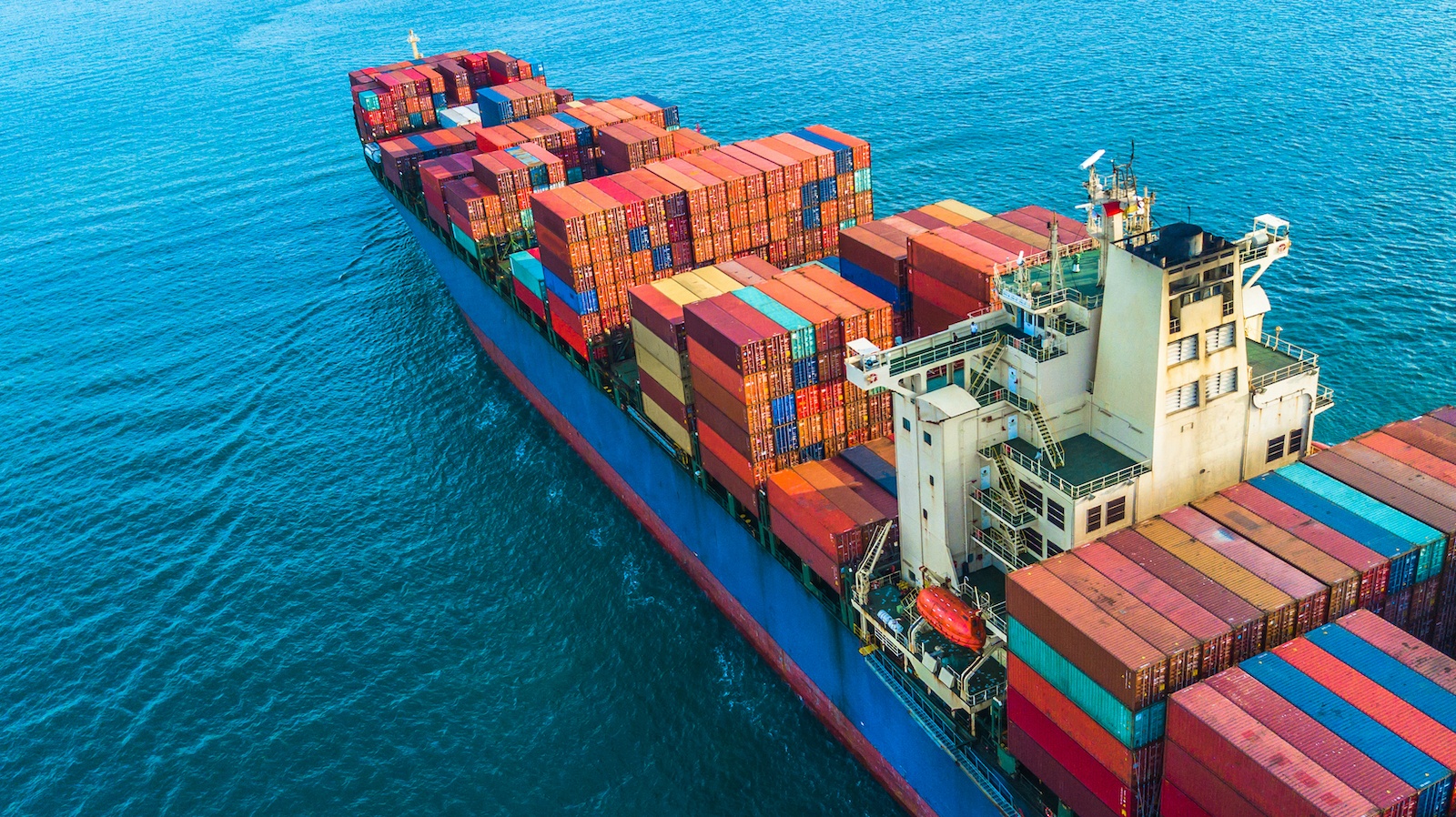
When we consider the perils of the ocean, the first line of defense focuses on the vessel itself. This aspect of protection is designed specifically for shipowners and fleet operators who have invested massive capital into the physical structure of the ship and its operational machinery. The ocean is an unforgiving environment; vessels face the constant threat of heavy weather, potential grounding in shallow waters, and mechanical failures that can leave a ship drifting and vulnerable. This specific type of coverage acts as a financial safeguard for the "body" of the ship and its propulsion systems, ensuring that physical damage from accidents like fire, collision, or stranding does not lead to financial ruin for the operator.
Beyond mere physical repairs, this protection extends to a critical, often overlooked area: collision liability. In the dense shipping lanes of the world, ships cannot simply brake to avoid an accident. If a vessel collides with another ship, the legal and financial repercussions are immense. The policy covering the vessel typically includes a "Running Down Clause," which covers a portion of the legal liability for damage caused to another ship. This ensures that the vessel owner is protected not just against the loss of their own asset, but also against the crippling costs associated with damaging the property of others. It is the fundamental layer of security that keeps the global fleet moving, allowing operators to navigate with the confidence that their floating assets are financially resilient against the physical violence of the sea.
Guaranteeing the Value of Shipped Commodities
While the shipowner worries about the vessel, the merchant is concerned with the goods inside. The protection of merchandise requires a completely different approach, focusing on the preservation of commercial value rather than the transport vehicle. From the moment goods leave a factory until they arrive at their final destination, they are exposed to a distinct set of hazards. The swaying of a ship in rough seas can crush packaging, temperature fluctuations can spoil sensitive products, and theft remains a persistent threat at various transfer points. Even if the ship arrives safely, the cargo within might be damaged, rendering it unsellable and causing a direct loss of profit for the owner.
The scope of this protection is often defined by a "Warehouse to Warehouse" clause. Unlike the vessel's policy which focuses on the voyage, commodity protection spans the entire logistics chain. This means coverage attaches the moment the goods leave the supplier’s warehouse, continues during inland trucking, stays in force while waiting at the port, and endures across the ocean voyage until final delivery at the buyer’s warehouse. Understanding who bears the risk at each stage—whether the buyer or the seller—is dictated by the terms of trade (Incoterms), but the insurance itself serves as the ultimate financial backstop. It transforms the unpredictable nature of physical distribution into a calculable cost, ensuring that a physical accident does not become a balance sheet disaster.
| Feature | Vessel Protection (Hull) | Merchandise Protection (Cargo) |
|---|---|---|
| Primary Beneficiary | Shipowners, Charterers, Fleet Operators | Exporters, Importers, Traders, Banks |
| Asset Covered | The ship's structure, engines, and machinery | Raw materials, finished goods, commodities |
| Core Risks | Collision, grounding, fire, mechanical breakdown | Theft, breakage, water damage, non-delivery |
| Geographic Scope | Navigable waters and specific trading zones | Door-to-door (Warehouse to Warehouse) |
| Liability Aspect | Damage caused to other vessels (Collision Liability) | General Average contributions (shared loss) |
Managing Liabilities and Legal Frameworks
The Scope of Third-Party Responsibility
In the ecosystem of ocean transport, risk extends far beyond damage to one's own property. A significant portion of risk management involves the "invisible" responsibility towards third parties. When a maritime accident occurs, the consequences ripple outward. A vessel might collide with a dock, destroying expensive port infrastructure, or a fuel leak might cause environmental damage necessitating a costly cleanup operation. These scenarios fall under the umbrella of third-party liability, a critical component that ensures operators can compensate others without facing bankruptcy.
This liability is not limited to shipowners; it affects everyone in the logistics chain. For instance, if a container is improperly packed and causes damage to the ship or injures a port worker during handling, the cargo owner could be held liable. The modern approach to this insurance is holistic, designed to facilitate coexistence in shared waters. It provides the financial mechanism to handle claims from port authorities, other vessel owners, and environmental agencies. By clarifying the boundaries of responsibility and providing the funds to settle disputes, this system fosters trust between nations and companies. It ensures that when accidents happen, there is a structured path to restitution, allowing global trade relations to survive despite operational mishaps.
Navigating Legal Interpretations and Compliance
The interpretation of insurance contracts in shipping was once dominated by archaic, highly specialized maritime traditions that seemed impenetrable to outsiders. However, the modern trend has shifted towards aligning these contracts with general business law principles. Courts and arbitrators increasingly view these documents through the lens of commercial reasonableness—asking what the parties objectively intended rather than getting lost in obscure nautical terminology. This evolution provides a more predictable legal environment for traders. When a claim arises, the focus is now on whether the logistical partners exercised due diligence and whether the claim falls within the specific timeframes and conditions outlined in international conventions.
Furthermore, compliance has become a major driver in risk management. In today's volatile geopolitical climate, insurance is no longer just about accidents; it is a filter for regulatory compliance. Insurers must navigate a complex web of international sanctions and trade restrictions. For example, coverage might be automatically voided if a vessel enters a prohibited zone or engages in trade with sanctioned entities. This turns the insurance provider into a quasi-regulator, enforcing global standards. For businesses, this means that understanding the legal geography is as important as the physical geography. Ensuring that a shipment complies with the legal frameworks of both the origin and destination countries is a prerequisite for valid coverage, making legal literacy a cornerstone of modern shipping strategy.
Q&A
-
What is Cargo Coverage in the context of international trade?
Cargo coverage refers to the insurance protection provided for goods while they are in transit. This type of insurance is crucial in international trade as it safeguards the value of goods being transported across different regions and through various modes of transport. The coverage typically includes protection against risks such as damage, theft, or loss during transit.
-
How does Hull Insurance differ from Cargo Coverage?
Hull insurance is specifically designed to cover the physical damage to a ship or vessel itself, rather than the cargo it carries. This type of insurance is essential for shipowners as it protects against the financial loss from damages to the hull, machinery, and equipment of the vessel, ensuring that the ship can be repaired or replaced if necessary.
-
What are Transit Risks and how can they affect international shipments?
Transit risks refer to the potential hazards that goods face while being transported from one location to another. These risks can include natural disasters, accidents, theft, or delays. In international trade, managing transit risks is critical to ensure the timely and safe delivery of goods. Proper insurance coverage and risk management strategies help mitigate these risks.
-
Why is Port Liability an important consideration in maritime trade?
Port liability pertains to the responsibilities and legal obligations of port authorities and operators regarding the safety and security of ships, cargo, and personnel within their jurisdiction. This liability is important because ports are critical nodes in the supply chain, and any negligence or mishap can lead to significant financial and legal repercussions.
-
How does Maritime Law influence international trade and shipping practices?
Maritime law, also known as admiralty law, governs the activities and disputes related to maritime commerce and navigation. It plays a crucial role in international trade by providing a legal framework that ensures fairness and safety in shipping practices. This body of law addresses issues such as shipping contracts, marine insurance, and the rights and obligations of shipowners and crew, thereby facilitating smooth and lawful international trade operations.