
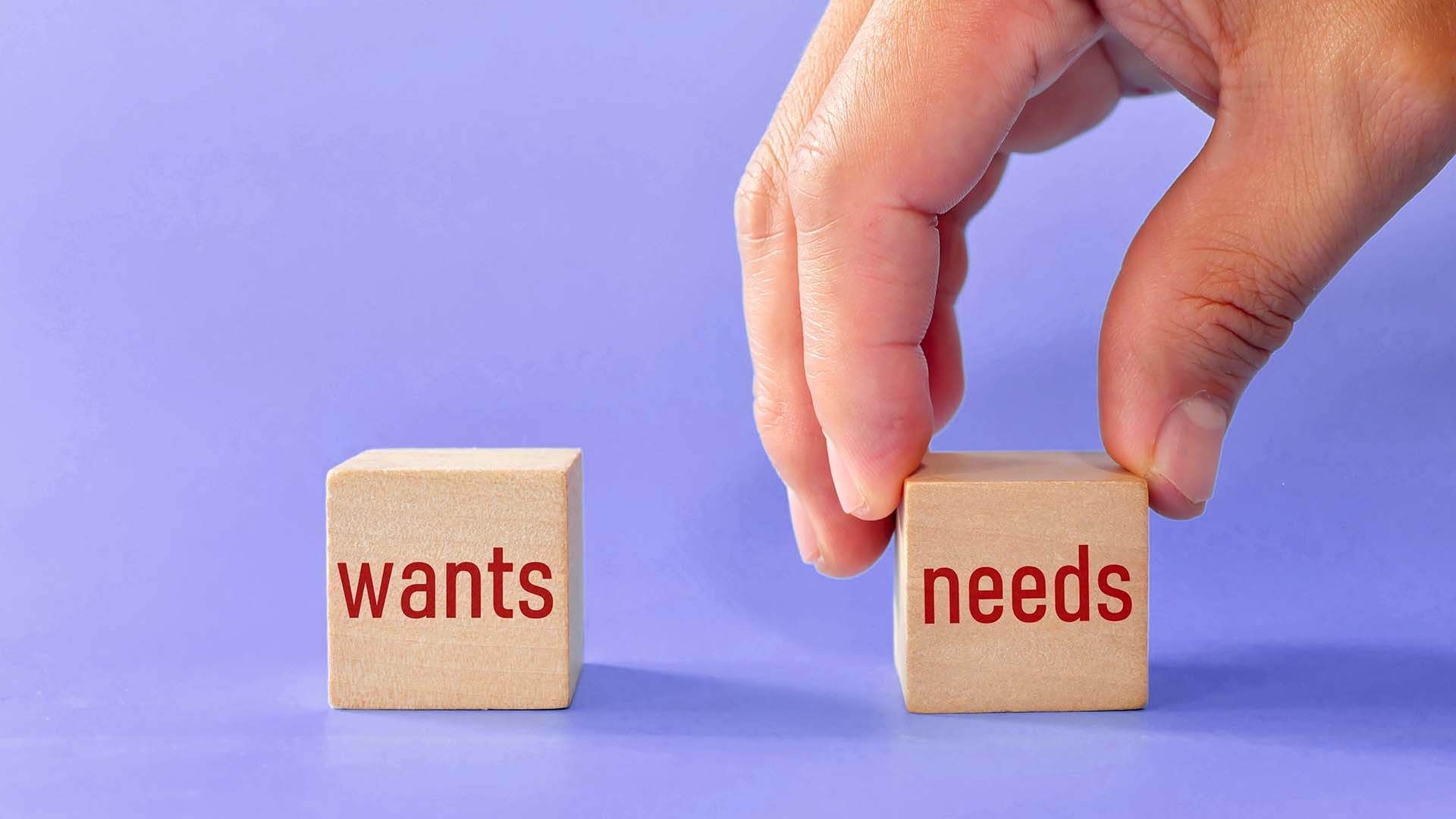
The Psychology Behind Consumption Habits
The Blurred Lines Between Survival and Satisfaction
In our daily lives, the boundary between what we require to survive and what we simply desire is often obscured by our own psychology. Fundamentally, human survival relies on a very short list of physical necessities, such as food, shelter, and basic clothing. However, the modern human brain is wired to categorize a much broader range of items as "indispensable." This is rarely a matter of physical survival but rather a mechanism of psychological fulfillment. We often use material possessions not just as tools, but as extensions of our identity or as tickets to belonging within a specific community.
This phenomenon is driven largely by the brain’s reward system. When we encounter a new model of a gadget or a trending fashion item, our brain processes the potential acquisition as a reward, releasing dopamine even before the purchase is made. This creates a powerful, albeit temporary, sense of anticipation and high spirits that can easily be mistaken for a genuine need. We convince ourselves that the new item is necessary to maintain our lifestyle or work efficiency, when in reality, we are seeking the psychological relief or excitement that comes with the purchase.
Redefining Value in a Changing Economy
Shifting from Impulse Buys to Sustainable Investments
As economic conditions fluctuate, the definition of "smart spending" has evolved from simply not spending to spending with higher precision. Consumers are increasingly moving away from erratic, impulse-driven purchases toward a model that prioritizes long-term value and utility. In the realm of entertainment and hobbies, for example, the focus has shifted from the instant gratification of micro-transactions to the sustained value offered by subscription models or bundled passes. This transition suggests a maturity in consumer behavior: the goal is not to eliminate joy, but to ensure that every dollar spent yields a tangible, lasting return on investment.
When budgets are tight, the concept of a "deal" also undergoes a transformation. Historically, sales events were triggers for impulse buying—acquiring things simply because they were cheap. Today, a strategic consumer views these events as opportunities to acquire necessary assets at a lower entry cost. The justification for a purchase is no longer "it is on sale," but rather "this is a high-value item I require, available at a price that protects my future cash flow." This mindset treats the household budget almost like a corporate balance sheet, where future scenarios are forecasted, and current expenditures are weighed against long-term stability.
To navigate this shift effectively, it is helpful to categorize potential purchases by their strategic intent rather than just their price tag. By analyzing whether a purchase supports a long-term goal or merely provides a fleeting distraction, we can align our spending with our broader life objectives.
Building Defense Mechanisms for Your Budget
Identifying and Neutralizing Hidden Budget Killers
One of the most insidious threats to financial health is the accumulation of "invisible" expenses—those small, habitual purchases that seem insignificant in isolation but devastating in aggregate. A daily beverage, a minor digital subscription, or a convenience store snack may only cost a few coins, yet these unexamined outflows often cannibalize the funds meant for genuine priorities. This is where the concept of "spending leakage" becomes real; we often bleed wealth not through massive disasters, but through a thousand tiny cuts.
The danger of these small expenses lies in their ability to bypass our mental "need versus want" filter. Because the cost is low, we don't subject the purchase to the same rigorous scrutiny we would apply to a car or a computer. To counter this, one must cultivate a habit of pausing. A powerful technique is the "waiting rule": mandating a delay—be it 24 hours or a full week—between the impulse to buy and the actual transaction. If the desire persists after the emotional peak has subsided, it may be a legitimate purchase. More often than not, however, the urge evaporates, revealing it was never a necessity.
Q&A
-
What is spending prioritization, and why is it important?
Spending prioritization involves ranking your expenses based on importance and urgency, ensuring that essential costs are covered before optional purchases. It is crucial because it helps individuals and organizations manage their financial resources efficiently, avoid unnecessary debt, and achieve financial goals.
-
How can a decision framework assist in spending prioritization?
A decision framework provides a structured approach to evaluate and compare different spending options. It often includes criteria such as necessity, urgency, and long-term benefits, helping individuals make informed financial tradeoffs and ensure that their spending aligns with their values and financial objectives.
-
What are essential costs, and how do they differ from optional purchases?
Essential costs are expenses necessary for basic living and functioning, such as housing, food, and healthcare. Optional purchases, on the other hand, are non-essential items or services that enhance lifestyle or personal enjoyment, such as dining out or luxury items. Understanding this distinction helps in effective budget management and prioritization.
-
What role does value assessment play in financial decision-making?
Value assessment involves evaluating the benefits and importance of a purchase relative to its cost. This process helps individuals determine whether an expense is worth the investment, guiding them in making decisions that maximize their financial resources and support their long-term goals.
-
Can you provide an example of a financial tradeoff?
A financial tradeoff might involve choosing between saving for a future goal, like a home purchase, and spending on a luxury vacation. By assessing the long-term impact and immediate satisfaction, individuals can decide which option aligns better with their financial priorities and life objectives.